The Science of Hydration in 2026
In the world of modern wellness, we often focus intensely on the macros we consume—the proteins, the fats, and the carbohydrates. However, there is a silent foundation that dictates how every single one of those nutrients is processed: hydration. As we move through 2026, the data from millions of health journeys underscores one undeniable truth: you cannot optimize your metabolism, your brain function, or your weight loss goals without mastering your water intake. These hydration tips are designed to take you beyond the basic "eight glasses a day" advice and into a sophisticated understanding of cellular health.
For those practicing intermittent fasting, hydration is even more critical. When you are in a fasted state, your body undergoes significant physiological changes, including a decrease in insulin levels that causes the kidneys to release more sodium. This process can lead to rapid fluid loss, often mistaken for "water weight." To maintain your energy and ensure your fast is successful, you need a strategy. This is where using a tool like the FastFlow AI app becomes invaluable, allowing you to track your intake alongside your fasting zones.
1. Start Your Day with 16 Ounces
One of the most effective hydration tips is also the simplest: drink water the moment you wake up. After six to eight hours of sleep, your body is naturally dehydrated. Before you reach for that first cup of coffee—which acts as a mild diuretic—flush your system with 16 ounces of room-temperature water. This "wakes up" your internal organs and kickstarts your metabolism for the day ahead.
2. Personalize Your Intake Requirements
The old advice of drinking 64 ounces of water per day is outdated. Your hydration needs are as unique as your thumbprint, influenced by your weight, activity level, and local climate. A better rule of thumb is to aim for half your body weight in ounces. For example, if you weigh 180 pounds, your baseline should be roughly 90 ounces of water. If you are using the FastFlow AI water tracker, the app can automatically calculate these targets for you based on your daily activity and fasting protocol.
3. Don't Forget the Electrolytes
When we talk about hydration tips, we must talk about minerals. Drinking too much plain water can actually dilute the essential salts in your blood, leading to a condition called hyponatremia. To stay truly hydrated, especially during an extended fast, you need a balance of sodium, potassium, and magnesium. Adding a pinch of high-quality sea salt or a sugar-free electrolyte powder to your water can prevent the "keto flu" and keep your muscles functioning correctly. You can learn more about this in our guide on signs of electrolyte imbalance.
4. Use Technology to Your Advantage
Consistency is the hardest part of hydration. It is easy to get caught up in a busy workday and realize by 3:00 PM that you haven't had a single drop of water. This is why we recommend the FastFlow AI app, available on iOS and Android. With features like the AI coach and specialized water tracker, the app sends smart reminders that ensure you hit your goals without having to manually do the math every hour.
5. Distinguish Between Hunger and Thirst
One of the most powerful hydration tips for weight loss is recognizing the brain's "muddled" signals. The hypothalamus, which regulates both hunger and thirst, can sometimes confuse the two. If you feel a sudden craving during your fasting window, try drinking a tall glass of water and waiting 15 minutes. Often, the "hunger" pang will vanish, revealing that your body was simply asking for fluid. Mastering this distinction is a key component of intermittent fasting for beginners.
6. Eat Your Water
Hydration doesn't just come from a bottle. Roughly 20% of our daily fluid intake comes from food. During your eating window, focus on high-moisture foods like cucumbers (96% water), zucchini, strawberries, and watermelon. These foods provide "structured water" along with fiber and antioxidants, which helps the body absorb the hydration more slowly and effectively.
7. The "Front-Loading" Strategy
To avoid frequent trips to the bathroom in the middle of the night, try front-loading your hydration. Consume 70% of your daily water goal before 4:00 PM. This allows your body to process the fluids while you are active and prevents sleep disruptions, which are vital for hormonal balance and weight loss. Sleep quality is just as important as your calorie tracking efforts.
8. Monitor Your Urine Color
If you want a real-time report on your hydration status, look at your urine. This is one of the most reliable hydration tips for daily use. Aim for a light, straw-colored yellow. If it is clear, you might be over-hydrating and flushing out too many electrolytes. If it is dark yellow or amber, you are likely dehydrated and need to increase your intake immediately.
9. Temperature Matters
While ice-cold water can feel refreshing, room-temperature or warm water is often easier for the body to absorb. During fasting, many people find that sipping on warm herbal teas (without sugar) helps soothe the digestive system and provides a sense of fullness. Just ensure your tea doesn't contain additives that might break your fast.
10. Hydration and Exercise
If you are working out while fasting, your hydration needs spike. You should aim to drink 16-24 ounces of water for every hour of intense exercise. During these periods, the FastFlow AI weight tracker can help you see how fluid fluctuations affect your daily weight, helping you distinguish between true fat loss and temporary dehydration.
11. Identify the Signs of Dehydration
To stay ahead of the curve, you must know the early warning signs of dehydration. These include:
- Dry mouth and "sticky" saliva.
- Sudden fatigue or lethargy.
- Dizziness when standing up (often an electrolyte issue).
- Headaches or "brain fog."
- Muscle cramps.
If you experience these while fasting, it is a sign to prioritize water and electrolytes immediately. The FastFlow AI app can help you log these symptoms to see if they correlate with your fasting duration or water intake levels.
12. Infuse for Flavor
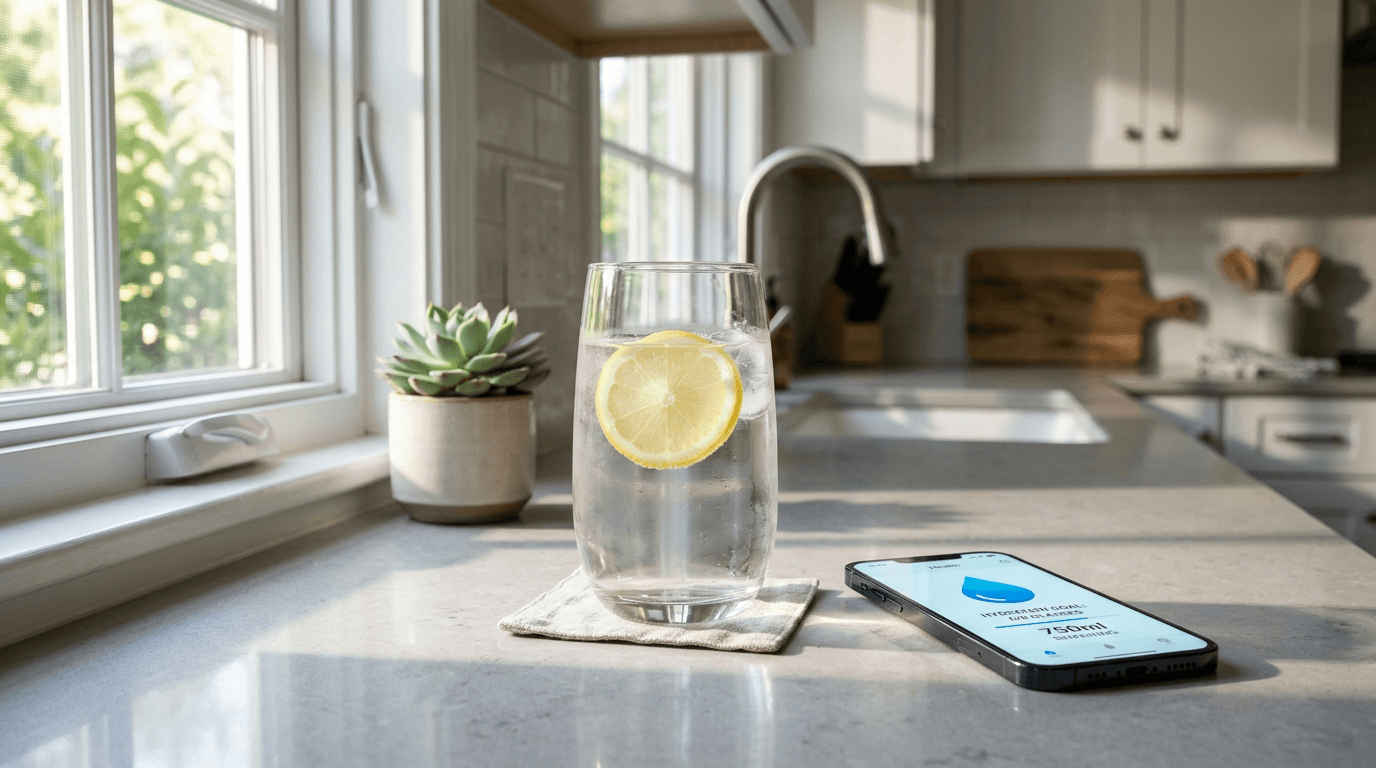
Many people struggle with the "boring" taste of plain water. To make it more palatable without breaking your fast, try infusing your water with lemon slices, mint leaves, or cucumber. These additions provide a burst of flavor with negligible calories, making it easier to stick to your hydration tips throughout the day.
13. Carry a Reusable Bottle Everywhere
Visual cues are powerful. If you have a high-quality, 32-ounce reusable bottle on your desk or in your bag, you are significantly more likely to drink. Make it a habit to refill it every time it hits the bottom. Pairing this physical habit with the digital tracking in FastFlow AI creates a fail-proof system for hydration success.
14. Limit Dehydrating Beverages
Coffee, soda, and alcohol can all contribute to fluid loss. For every cup of coffee or alcoholic beverage you consume, try to "cancel it out" with an extra glass of water. This ensures your baseline hydration remains stable despite the diuretic effects of these drinks.
15. Listen to Your Body's Biofeedback
Finally, the most important of all hydration tips is to listen to your body. While calculators and apps provide excellent frameworks, your body knows best. If you feel thirsty, drink. If you feel bloated and your urine is clear, take a break. By combining your intuition with the data-driven insights from the FastFlow AI app, you can achieve a state of optimal hydration that supports your long-term health and weight loss goals.
Hydration is not a chore; it is a fundamental act of self-care. Whether you are using the food scanner to check your nutrient density or the water tracker to hit your daily goals, FastFlow AI is here to support every step of your journey. Download the app today on the App Store or Google Play and see the difference that proper hydration can make.