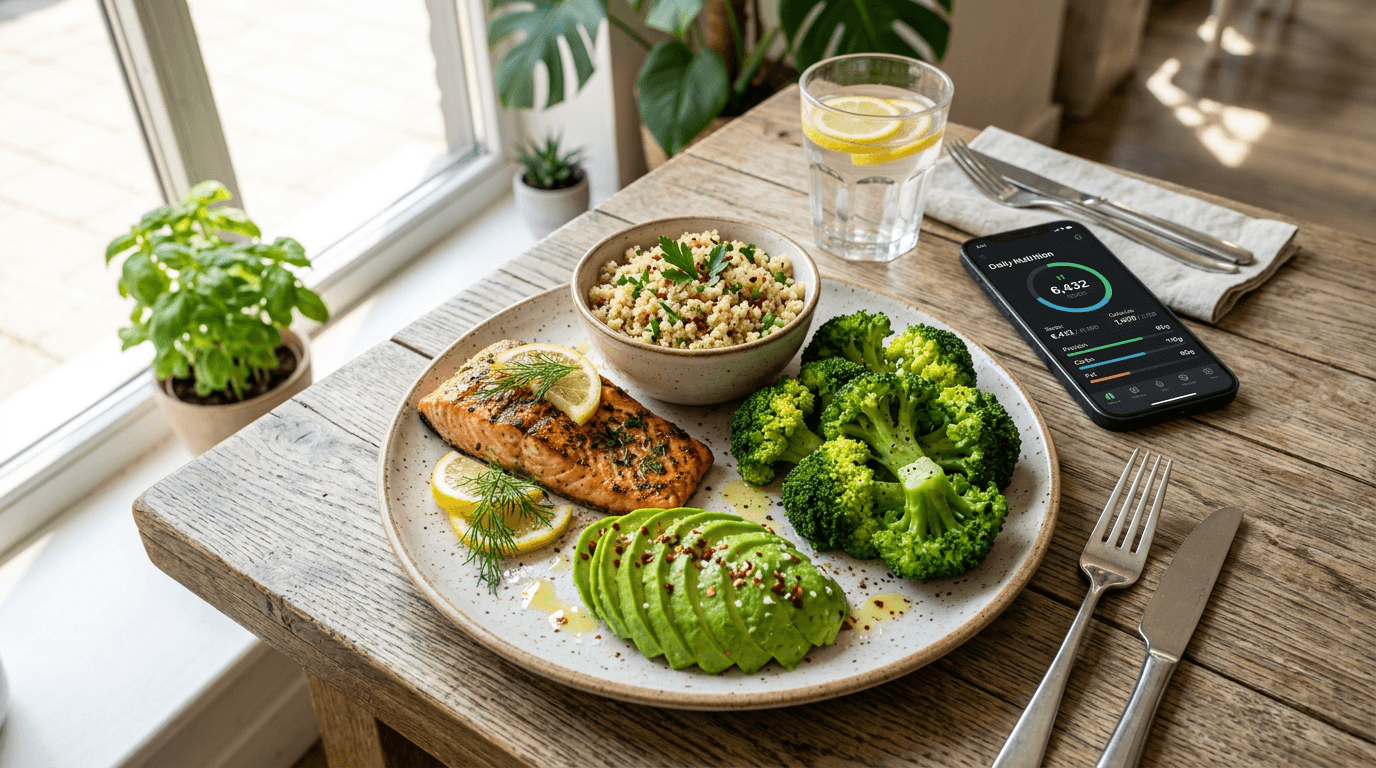
Beyond the Clock: Why Your Food Choices Matter
When most people start their journey, they focus almost entirely on the timer. They track the hours, watching the seconds tick down until they can finally eat. But if you want to see real, sustainable results in March 2026, you have to realize that what to eat during intermittent fasting is just as important as when you eat. Intermittent fasting (IF) isn't a diet; it's a pattern of eating. However, filling your eating window with processed sugars and inflammatory oils will quickly stall your progress and leave you feeling sluggish.
The goal of intermittent fasting is to improve insulin sensitivity, promote autophagy, and tap into fat stores for energy. To support these physiological processes, your body needs high-quality fuel. If you are struggling to keep track of your nutrients, using a tool like the FastFlow AI food scanner can help you identify nutrient-dense options in seconds, ensuring your eating window actually supports your goals.
The Golden Rule: Focus on Nutrient Density
When you limit the time you spend eating, every bite counts more than it did before. You simply have less opportunity to get the vitamins, minerals, and macronutrients your body requires. This is why focusing on nutrient-dense foods is the foundation of any successful IF protocol. You want to prioritize foods that provide the most "bang for your buck" in terms of nutrition.
High-Quality Protein: The Building Block
Protein is the most critical macronutrient to prioritize during your eating window. Not only does it help preserve lean muscle mass while you lose fat, but it also has the highest thermic effect of food (TEF), meaning your body burns more calories digesting it. Furthermore, protein is highly satiating, helping you stay full longer into your next fast.
- Lean Meats: Grass-fed beef, chicken breast, and turkey.
- Seafood: Wild-caught salmon (rich in Omega-3s), mackerel, and shrimp.
- Plant-Based: Tempeh, lentils, chickpeas, and high-protein nutritional yeast.
- Eggs: Often called the perfect protein, containing essential choline and healthy fats.
If you're unsure if you're hitting your protein targets, the calorie tracking features in FastFlow AI make it easy to see your daily breakdown. You can download the app on iOS or Android to start logging your meals today.
What to Eat to Break Your Fast Gently
How you end your fast is just as important as the fast itself. After 16, 18, or 20 hours of not eating, your insulin sensitivity is high. If you break your fast with a massive bowl of pasta or a sugary smoothie, you'll cause a massive glucose spike followed by a crash. This can lead to "fasting fatigue" and intense cravings later in the day.
The ideal first meal should be a combination of protein and healthy fats with minimal refined carbohydrates. Think of it as "waking up" your digestive system. Good options include:
- A handful of almonds or walnuts.
- Half an avocado with a pinch of sea salt.
- A small bowl of bone broth (rich in collagen and gut-healing amino acids).
- A hard-boiled egg.
Wait about 30 to 60 minutes after this small snack before moving into your main meal. This strategy helps stabilize blood sugar and prevents the digestive distress that sometimes occurs when breaking a long fast.
Best Foods for Your Main Eating Window
Once your digestive system is primed, it's time to load up on the foods that will carry you through to your next fasting period. A balanced plate should look like a vibrant rainbow of whole foods.
Healthy Fats for Sustained Energy
Fats are your friend during intermittent fasting. They provide long-lasting energy and are essential for hormone production. Since IF helps your body become "fat-adapted," consuming healthy fats helps reinforce this metabolic flexibility. Focus on monounsaturated and saturated fats from whole sources like olives, extra virgin olive oil, avocado oil, and grass-fed butter or ghee.
Complex Carbohydrates and Fiber
You don't need to go full Keto to succeed with IF, but you should be choosy about your carbs. Fiber is your best friend here. It slows the absorption of sugar and keeps your gut microbiome healthy. Focus on cruciferous vegetables like broccoli, cauliflower, and Brussels sprouts, as well as berries, which are low in sugar but high in antioxidants. If you include grains, stick to ancient varieties like quinoa, black rice, or buckwheat.
Hydration and Electrolytes
One of the most overlooked aspects of what to eat during intermittent fasting is what you drink. During the fasting window, you should stick to water, black coffee, and plain tea. However, as your insulin levels drop, your kidneys excrete more sodium and water. This is why many people experience the "fasting headache."
Ensure you are using the water tracker in FastFlow AI to monitor your intake. Adding a pinch of high-quality sea salt or a sugar-free electrolyte powder to your water can make a world of difference in your energy levels and mental clarity.
Foods to Avoid During Your Window
While IF is flexible, some foods will actively work against your hormones and progress. To get the best results, try to limit or eliminate:
- Added Sugars: High-fructose corn syrup, candy, and even "healthy" agave nectar.
- Refined Grains: White bread, conventional pasta, and sugary cereals.
- Industrial Seed Oils: Soybean oil, canola oil, and grapeseed oil, which can be pro-inflammatory.
- Ultra-Processed Snacks: Anything that comes in a crinkly bag with a long list of chemical ingredients.
Using the FastFlow AI AI Coach can help you navigate these choices. If you're at a restaurant and unsure about a menu item, you can ask the coach for a healthier alternative that fits your fasting protocol.
Example 16:8 Intermittent Fasting Meal Plan
If you're following the popular 16:8 protocol (16 hours of fasting, 8 hours of eating), your day might look like this:
- 12:00 PM (Break Fast): Avocado toast on sprouted grain bread with two poached eggs and a side of spinach.
- 3:30 PM (Snack): A Greek yogurt (unsweetened) with a handful of blueberries and chia seeds.
- 7:30 PM (Main Dinner): Grilled salmon with roasted asparagus and a small sweet potato with olive oil.
- 8:00 PM: Fasting window begins.
By focusing on these whole foods, you ensure that your body has the raw materials it needs to repair cells and burn fat during the 16-hour fast that follows.
The Role of Technology in Success
Consistency is the hardest part of any health journey. Between work, family, and social obligations, it's easy to lose track of when your window closes or how many calories you've actually consumed. This is where FastFlow AI becomes an essential partner. With 5 different fasting protocols, a weight tracker, and specialized "fasting zones" that tell you exactly what is happening in your body (like when you enter ketosis or autophagy), the app takes the guesswork out of the process.
Whether you are on iOS or Android, having these tools in your pocket ensures that you stay accountable to your goals long after the initial motivation wears off.
Conclusion
Understanding what to eat during intermittent fasting is the secret sauce to long-term weight loss and metabolic health. By prioritizing high-quality proteins, healthy fats, and fiber-rich vegetables, you support your body's natural fat-burning processes. Remember to break your fast gently, stay hydrated with electrolytes, and use tools like FastFlow AI to keep your nutrition on track. Start today, and by this time next month, your body will thank you for the high-quality fuel.